Missing teeth can affect more than the appearance of a smile. They may make chewing certain foods difficult, change speech patterns, and reduce confidence during everyday conversations. Tooth loss can also influence the position of neighboring teeth and the condition of the jawbone over time. Fortunately, modern restorative dentistry offers several options for replacing missing teeth and supporting oral health.
Dental implants have become an established tooth replacement solution because they provide a stable foundation for artificial teeth. Unlike traditional removable dentures, implants are surgically placed into the jawbone to support crowns, bridges, or dentures. This approach can restore dental function while creating a natural-looking appearance that complements the surrounding teeth.
For individuals considering long-term tooth replacement, dental implants in Agoura Hills may provide functional and cosmetic benefits depending on their dental health. Understanding how implant restorations work, their potential advantages, treatment considerations, and maintenance requirements can help patients make informed decisions about restoring their smiles.
Understanding Dental Implants and Their Role in Tooth Replacement
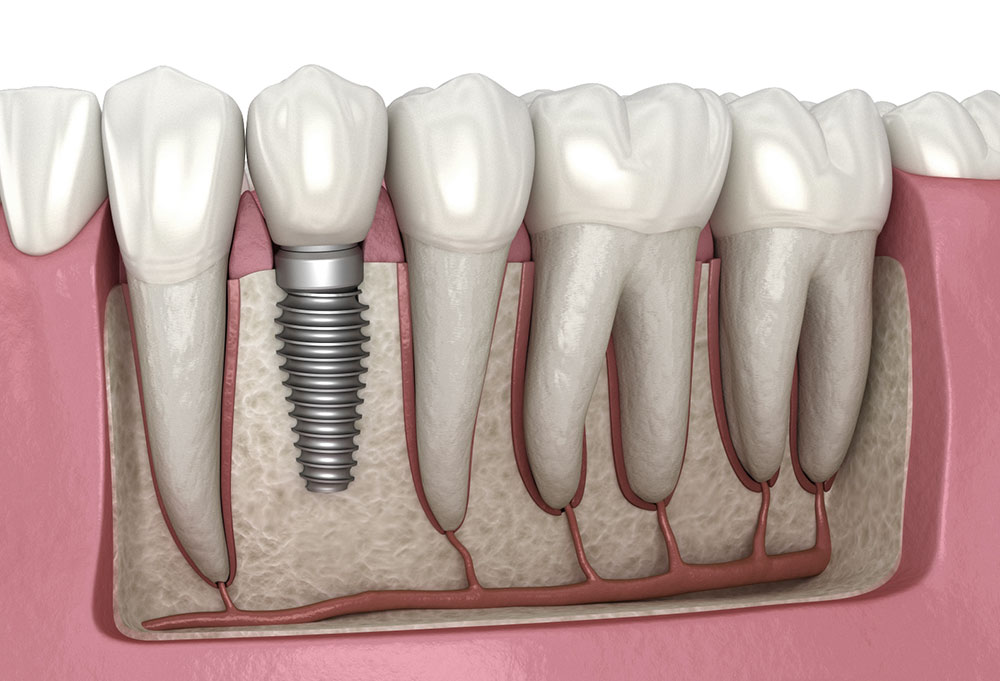
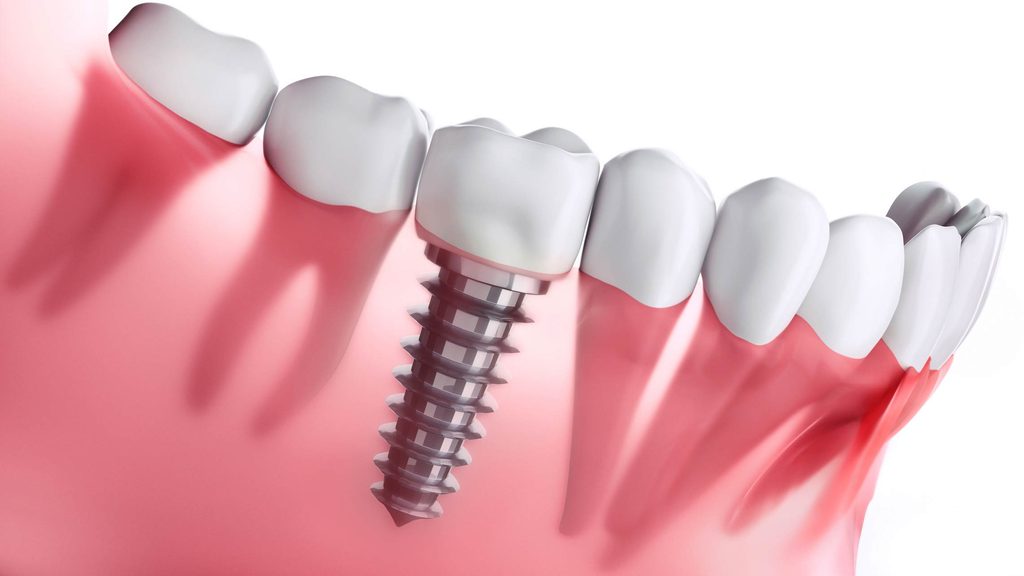
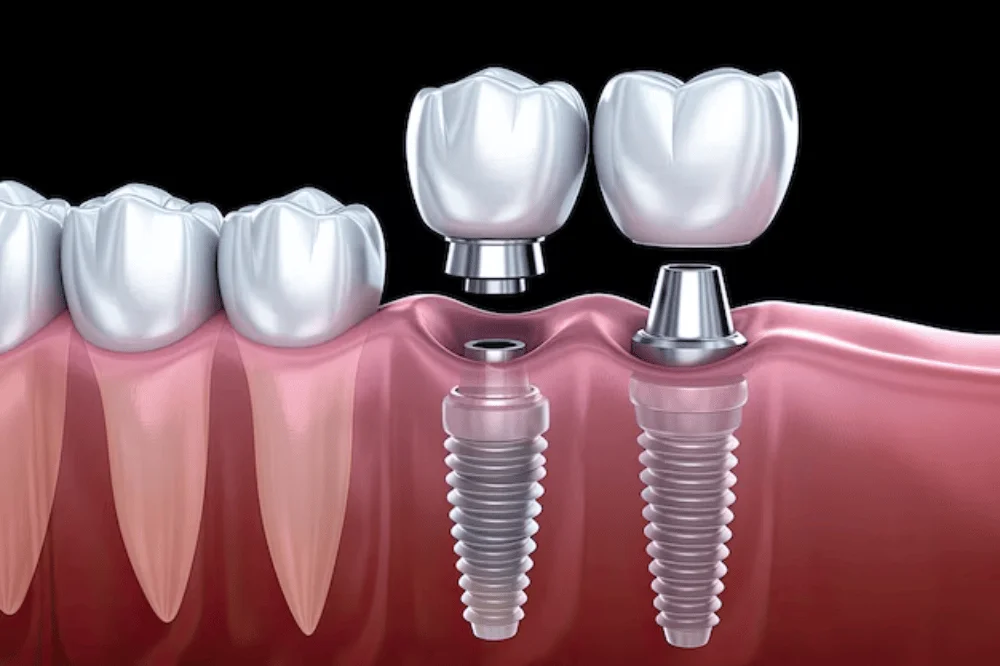
Dental implants are artificial tooth roots, commonly made from titanium or other biocompatible materials, that are surgically positioned within the jawbone. They serve as anchors for replacement teeth and are intended to provide stability during dental activities. A typical implant restoration includes an implant fixture, a connecting component called an abutment, and an artificial tooth or prosthesis.
How Implant-Supported Restorations Work
After an implant is placed, the surrounding bone gradually heals and attaches to its surface. This biological process, known as osseointegration, helps establish a stable foundation for the final restoration. Once healing is sufficient, a custom dental crown, bridge, or denture can be attached. The final restoration is selected according to the number of missing teeth, available bone support, and individual treatment needs.
Major Benefits of Dental Implants for Oral Health
Dental implants offer several potential advantages compared with certain traditional tooth replacement methods. Their benefits extend beyond improving smile appearance and may support everyday dental function.
Improved Chewing Ability and Everyday Comfort
Missing teeth can make biting and chewing difficult, particularly when eating firm or fibrous foods. Implant-supported restorations provide a fixed or more securely retained replacement that may improve chewing efficiency.
With appropriate treatment and healing, patients may feel more comfortable eating a varied diet. However, chewing function depends on implant position, restoration quality, and overall oral health.
Support for Jawbone Structure
Following tooth loss, the surrounding jawbone may gradually shrink because it no longer receives normal stimulation from the tooth root. Dental implants transfer chewing forces into the supporting bone, which can help limit bone loss in the treated area. Although implants cannot reverse all existing jawbone deterioration, they may help maintain bone structure when properly placed and maintained.
Natural-Looking Smile Restoration
Modern implant crowns can be customized to match the color, shape, and proportions of neighboring teeth. Careful treatment planning considers gum contours, facial appearance, and the relationship between upper and lower teeth. A well-matched restoration can improve smile appearance without creating an obvious difference between artificial and natural teeth.
Comparing Dental Implants With Traditional Replacement Options
Patients experiencing tooth loss may be offered dental bridges, removable dentures, or implant-supported restorations. Each treatment has advantages and limitations.
Dental Implants and Fixed Bridges
Traditional dental bridges commonly rely on neighboring teeth for support. These supporting teeth may need preparation to accommodate crowns. A single implant can replace a missing tooth without requiring the same preparation of adjacent healthy teeth. However, implant placement involves surgery and may require a longer treatment period than conventional bridge placement.
Who May Be a Suitable Candidate for Dental Implants?
Dental implant eligibility depends on several factors, including gum health, available bone volume, medical conditions, and oral hygiene habits. A dedicated team can evaluate these factors and determine whether a patient has sufficient jawbone support or may need additional procedures, such as bone grafting, before implant placement.
Importance of a Comprehensive Dental Evaluation
A consultation may include an oral examination, dental imaging, and a review of the patient’s medical history. The dentist evaluates tooth loss, bite alignment, gum condition, and potential surgical risks.
Patients researching an experienced local implant dentist near you should consider professional qualifications, implant treatment experience, diagnostic methods, and communication about possible complications. Conditions such as uncontrolled diabetes, active gum disease, or tobacco use may affect healing and treatment outcomes. A dentist must assess individual risk before surgery.
What to Expect During Dental Implant Treatment
Dental implant treatment usually involves several appointments over a period of months, although the exact schedule varies. The dentist first develops a treatment plan based on clinical findings and the intended restoration. Implant placement is typically performed using local anesthesia. After surgery, the surrounding tissues and jawbone require time to heal. Some patients may receive temporary teeth during this period, while others wait until sufficient healing occurs before receiving the final restoration.
For individuals exploring available treatment solutions such as implants in Agoura Hills, understanding expected healing times, additional procedures, and follow-up requirements can help establish realistic expectations.
Maintaining Dental Implants for Long-Term Oral Health
Although dental implant restorations cannot develop cavities themselves, the surrounding gum and bone tissues remain vulnerable to inflammation and infection.
Consistent maintenance is therefore essential.
Daily Cleaning and Healthy Oral Hygiene
Patients should brush twice daily and clean around their implant restorations using dentist-recommended tools. Floss, interdental brushes, or other specialized cleaning devices may help remove plaque from difficult-to-reach areas. Regular professional dental cleanings allow the dentist to assess gum health and identify early signs of complications.
Protecting Implants From Excessive Pressure
Patients should avoid chewing ice, using teeth to open packages, or applying unnecessary force to restorations. Individuals who grind their teeth may benefit from a professionally recommended night guard. Persistent discomfort, bleeding, swelling, or movement around an implant should be evaluated promptly.
Conclusion
Dental implants provide a valuable treatment option for replacing missing teeth and restoring everyday oral function. Their potential benefits include improved chewing, natural-looking restorations, better stability, and support for surrounding jawbone health.
However, successful implant treatment requires appropriate patient selection, careful planning, adequate healing, and consistent maintenance. Patients should discuss benefits, limitations, possible complications, and alternative treatments with a qualified dental professional. A personalized dental evaluation remains the most appropriate way to determine whether implant-supported tooth replacement is suitable for individual needs.
Frequently Asked Questions
Are dental implants a permanent solution for missing teeth?
Dental implants are intended to provide long-term tooth replacement, but their lifespan varies. Proper oral hygiene, healthy supporting tissues, regular checkups, and individual medical factors influence durability. Implant crowns or other attached restorations may eventually require repair or replacement.
How long does dental implant treatment take?
Treatment commonly takes several months because the jawbone needs time to heal around the implant. The timeline depends on bone quality, healing response, the number of implants, and whether additional procedures such as bone grafting are necessary.
Is dental implant surgery painful?
Local anesthesia is commonly used during implant surgery to minimize discomfort. Mild swelling, tenderness, and soreness may occur afterward. Dentists provide postoperative instructions to help manage symptoms. Severe or worsening pain requires professional evaluation.
Can dental implants help prevent jawbone loss?
Implants can help preserve surrounding jawbone by transmitting chewing forces into the bone. However, the extent of bone preservation varies, and implants cannot guarantee that bone loss will stop completely. A dental evaluation helps determine the available bone support.
Are dental implants better than dentures?
Neither option is best for every patient. Implants may offer greater stability, while conventional dentures avoid implant surgery and may cost less initially. The appropriate choice depends on oral health, available bone, medical history, budget, and personal preferences.
Dental implant care begins with a careful review of oral health, bone support, and individual goals. A well-planned restoration may improve chewing and appearance, but successful healing and long-term maintenance depend on personal health, careful cleaning, and regular dental evaluations over time.
Explore tooth replacement options at Agoura Advanced Dentistry. Call (818) 874-3533 to plan a visit.
Dental implants can replace missing teeth while supporting comfortable chewing, speech, and smile appearance. This guide explains how implant-supported restorations work, their advantages over certain alternatives, who may be eligible, and what recovery involves. Learn about jawbone health, treatment planning, maintenance, and questions to ask before choosing their tooth replacement option safely.
Modern dentistry looks very different from what it did ten years ago. From 3D imaging and clear aligners to same-day crowns and sedation options, this article breaks down the biggest changes shaping how patients experience dental care today and what it means for you.