






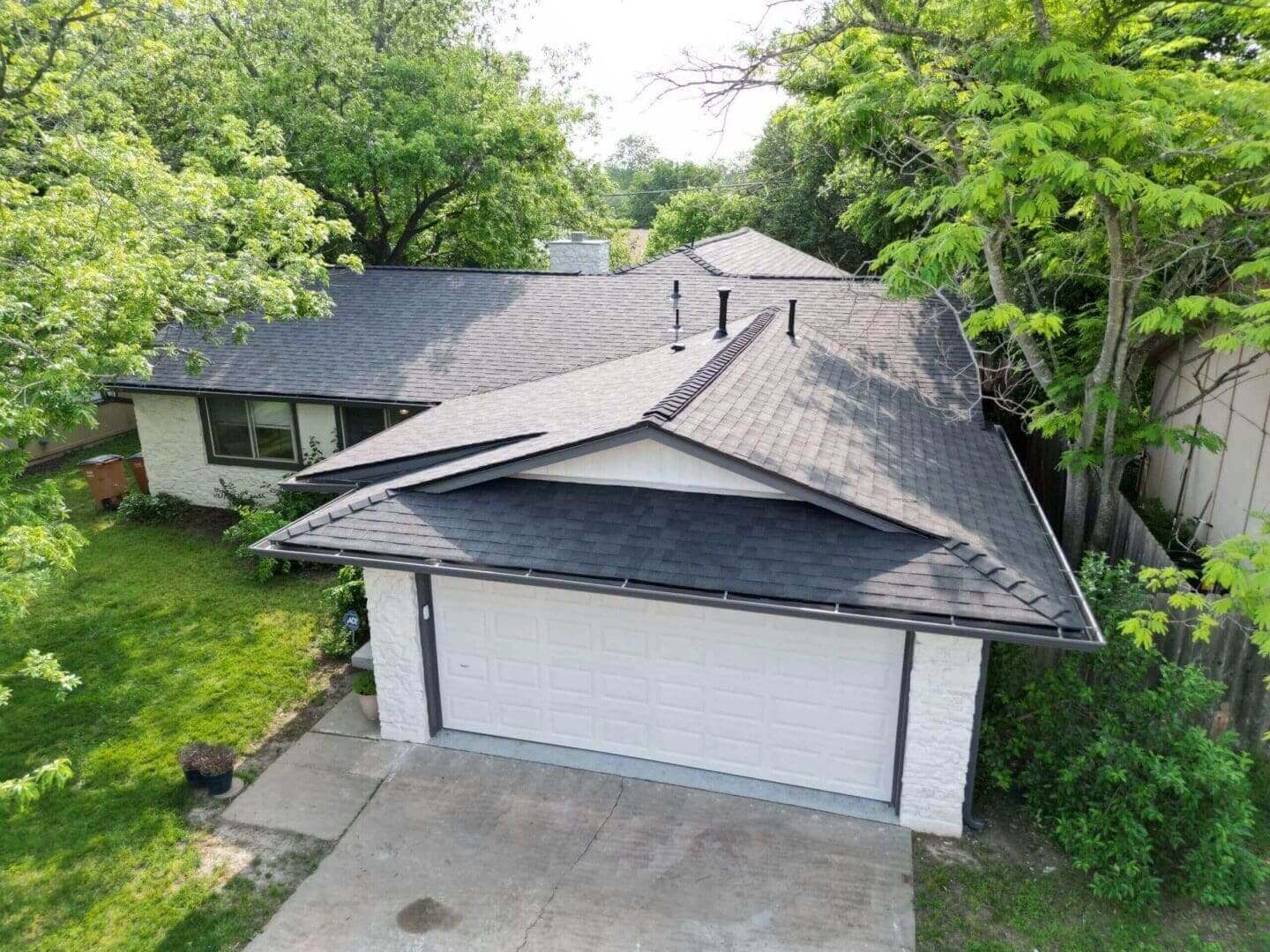
A residential roof plays an essential role in protecting a home from changing weather conditions, moisture, and environmental exposure. In Austin, intense summer heat, strong sunlight, heavy rainfall, and occasional hailstorms can influence how roofing materials perform over time. Homeowners considering asphalt roofing services in Austin, Texas, should understand that roof longevity depends on several factors, including material selection, installation quality, attic ventilation, and maintenance practices.
Table of Contents
- Understanding What Determines Roof Longevity
- How Austin’s Climate Influences Roofing Performance
- Choosing Quality Materials for Better Durability
- Why Professional Installation Makes a Difference
- The Role of Ventilation and Roof Design
- Recognizing When a Roof May Need Replacement
- Selecting the Right Residential Roofing Professional
- Planning for Long-Term Value and Maintenance
- Final Thought
Understanding What Determines Roof Longevity
Several factors influence the durability of residential roofing systems. When exploring asphalt roofing services in Austin, Texas, homeowners should evaluate the entire roofing system rather than focusing only on the visible shingles. Material quality, roof slope, installation methods, and environmental exposure all affect overall performance. A roofing system designed with compatible components can provide effective protection when installed according to manufacturer specifications.
How Austin’s Climate Influences Roofing Performance
Austin’s weather presents challenges that homeowners should consider when selecting roofing materials. Intense sunlight, changing temperatures, and seasonal storms can gradually affect shingles and supporting components.
Choosing asphalt roofing shingles in Austin, TX, requires understanding how different materials respond to these conditions.
The Effects of Heat and UV Exposure
Prolonged sunlight exposure can accelerate the aging of roofing materials. High temperatures may also influence shingle flexibility and contribute to thermal expansion.
Architectural shingles with appropriate specifications may perform well for Central Texas homes. However, select materials by reviewing manufacturer recommendations rather than assuming every premium product performs the same.
Wind, Hail, and Heavy Rainfall
Severe storms may expose roofing systems to strong winds, hail impacts, and substantial rainfall. Consider suitable wind ratings, impact classifications, and water-shedding components. When evaluating asphalt roofing shingles in Austin, TX, review product testing standards and installation requirements before choosing.
Choosing Quality Materials for Better Durability
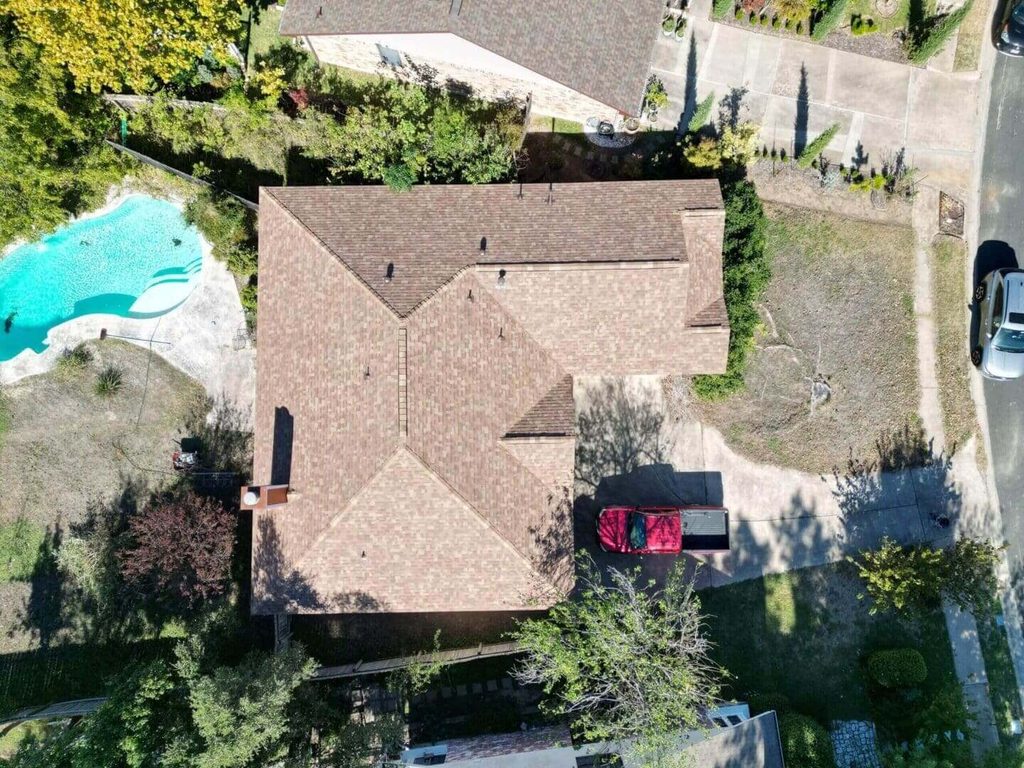
Material selection significantly influences roof performance and long-term ownership costs. Different asphalt shingle products offer varying appearances, construction methods, and weather-resistance characteristics.
When exploring asphalt roofing services in Austin, Texas, homeowners should compare products based on performance ratings, manufacturer documentation, and compatibility with their property’s design.
Comparing Common Shingle Types
Three residential shingle options deserve consideration:
- Three-tab shingles: Traditional products with a relatively flat appearance and generally lower initial material costs.
- Architectural shingles: Multilayered products offering a dimensional appearance and various performance options.
- Impact-resistant shingles: Products tested against specified impact conditions, which may offer additional protection during certain hail events.
For homeowners planning in Austin Home Improvement projects, material selection should balance appearance, expected performance, and budget.
Understanding Warranties and Product Ratings
Manufacturer warranties describe specific coverage conditions but should not be interpreted as guarantees of actual roof lifespan.
When selecting asphalt roofing shingles in Austin, TX, homeowners should examine wind classifications, impact ratings, warranty exclusions, and installation requirements.
These details can help identify products suited to the property’s location and expected weather exposure.
Why Professional Installation Makes a Difference
Even high-quality materials can deteriorate prematurely when installation procedures don’t follow manufacturer specifications.
Proper asphalt roofing installation involves preparing the roof deck, positioning underlayment, installing flashing, securing shingles, and ensuring appropriate ventilation to help Austin homeowners achieve long-term roofing performance.
Each component contributes to weather protection and overall system performance.
Essential Installation Considerations
Important installation practices include:
- Checking the roof deck before installing new materials.
- Selecting compatible underlayment and flashing.
- Following manufacturer-approved fastening methods.
- Maintaining effective water drainage.
- Verifying ventilation requirements.
- Completing a final installation inspection.
Homeowners planning asphalt roofing installation in Austin, Texas, should request a written explanation of the proposed materials and installation procedures.

The Role of Ventilation and Roof Design
Homeowners seeking asphalt roofing services in Austin, TX, should understand that shingle quality alone does not determine how effectively a roof handles heat and moisture.
Adequate intake and exhaust ventilation, suitable insulation, and proper air sealing can contribute to a more balanced attic environment.
Roof slope and design also affect water drainage. Complex rooflines may require additional attention around valleys, penetrations, and transitions. During planning asphalt roofing installation in Austin, TX, evaluate these architectural characteristics to ensure materials and installation methods suit the property.
Recognizing When a Roof May Need Replacement
Over time, residential roofing materials naturally experience wear from sunlight, moisture, wind, and temperature changes.
Homeowners considering asphalt roof replacement in Austin should watch for warning signs that the roofing system is nearing the end of its useful life.
Common indicators include:
- Widespread curling or missing shingles.
- Significant granule loss.
- Visible deterioration across large roof sections.
- Persistent interior moisture stains.
- An aging roof nearing its expected service life.
These conditions don’t automatically mean every roof needs replacement. A professional assessment can help determine the appropriate next step. When considering asphalt roof replacement in Austin, understanding the roof’s age, condition, and material specifications provides valuable planning information.
Selecting the Right Residential Roofing Professional
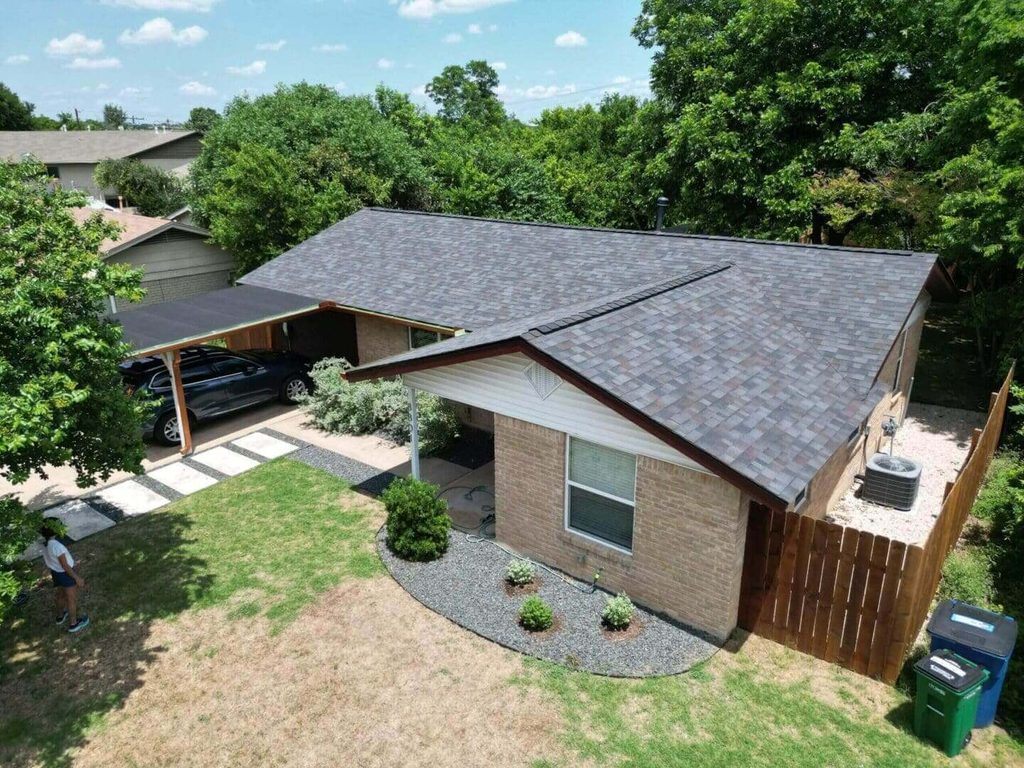
Choosing a qualified contractor is an important part of protecting a roofing investment.
An experienced asphalt roofing contractor in Austin, TX, should understand local weather challenges, manufacturer requirements, and applicable installation standards.
Homeowners should review written estimates, insurance documentation, material options, and workmanship terms before selecting a professional.
Important Questions to Ask Before Hiring
Before choosing a roofing professional, consider asking:
- Which materials suit the property’s roof design?
- How will ventilation requirements be evaluated?
- What manufacturer warranty terms apply?
- What preparation is included in the estimate?
- How will installation quality be verified?
A qualified asphalt roofing contractor in Austin, TX, should explain these details clearly and provide documentation supporting the proposed work. Homeowners researching residential asphalt roofing options can explore service information from Genuine Texas Exteriors to better understand available installation and replacement solutions.
Planning for Long-Term Value and Maintenance
Initial installation costs are only one part of a roofing investment. Materials, installation quality, ventilation, weather exposure, and maintenance needs influence long-term value. Homeowners evaluating asphalt roof replacement in Austin should compare detailed estimates and understand the differences between available roofing products.
Periodic visual checks from the ground, keeping gutters clear, and scheduling professional inspections when appropriate can help homeowners monitor roofing conditions. Selecting an asphalt roofing contractor in Austin, TX, who provides clear material specifications and installation documentation can also support informed decision-making.
FAQs
What affects the lifespan of a residential roof in Austin?
Material quality, installation methods, ventilation, roof design, and weather exposure influence longevity. Regular inspections help homeowners track aging and catch potential issues early.
Does extreme heat reduce shingle durability?
Prolonged heat and UV exposure can accelerate material aging. Suitable products, proper attic ventilation, and installation according to manufacturer specifications help support roofing performance.
Are architectural shingles more durable than three-tab shingles?
Many architectural shingles offer higher performance ratings than traditional three-tab products. However, actual durability depends on the specific material, installation quality, and environmental conditions.
Why is professional installation important?
Professional installation helps ensure that underlayment, flashing, fastening, and ventilation meet applicable requirements. Correct installation supports weather resistance and long-term system performance.
When should homeowners consider a new roof?
Homeowners should consider a professional evaluation when shingles show widespread deterioration, significant granule loss, substantial storm damage, or signs of aging near their expected service life.
Final Thought
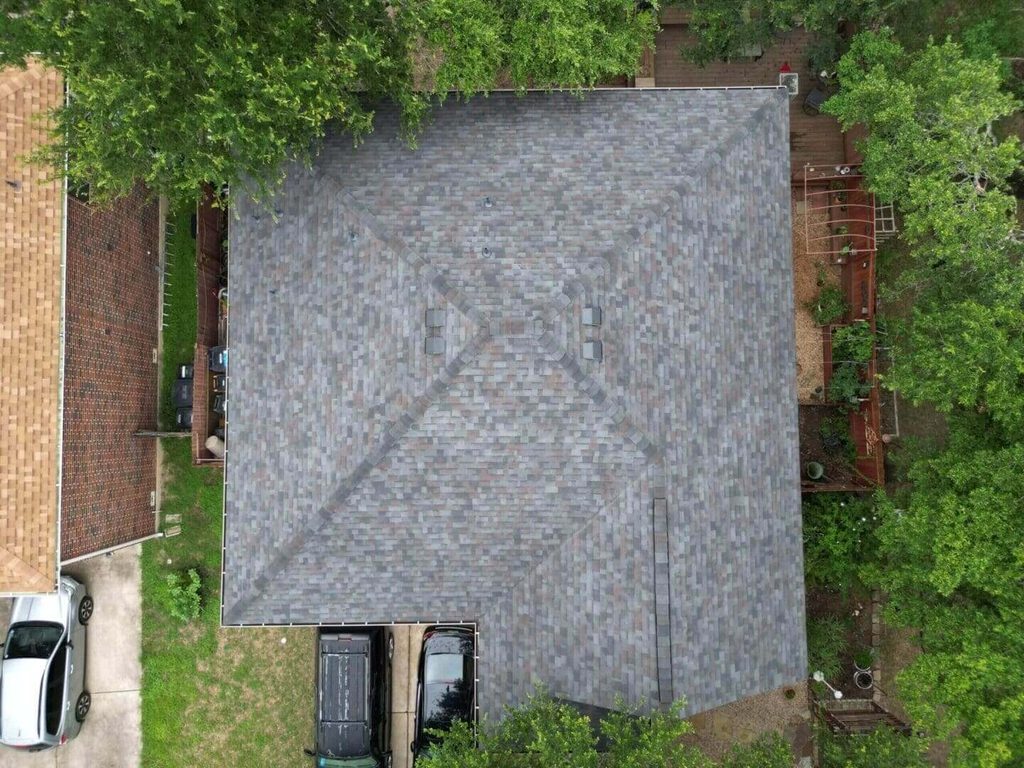
Roof longevity depends on several interconnected factors, including material selection, installation quality, ventilation, roof design, and exposure to local weather conditions. Homeowners considering asphalt roofing services in Austin, Texas, should carefully compare shingle specifications, understand manufacturer recommendations, and evaluate the condition of their existing roofing systems. Taking a well-informed approach can help property owners plan appropriate improvements, manage long-term costs, and select materials suited to Central Texas weather conditions.
For additional guidance on residential roofing projects, explore local options and use Google Maps to locate Genuine Texas Exteriors to learn more about available roofing solutions and make informed decisions for your home.